Article
OEM vs Ordinary Aftermarket — Precision Gap of Eaton Transmission Pneumatic Valves
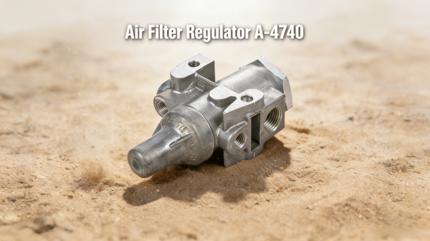
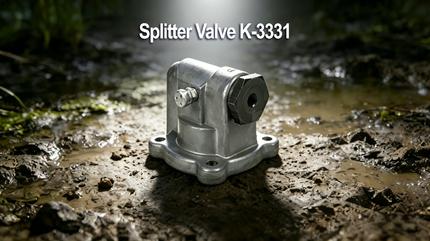
When choosing replacement parts, understanding the difference between OEM vs aftermarket Eaton valves is critical to avoiding early failures. Many buyers focus only on spool dimensions, but real quality lies in casting, machining and sealing technology.
A durable, leak‑proof valve starts with a tight, defect‑free valve body casting. Low‑grade aftermarket valves have porous castings that leak air over time, causing weak shifts and delayed range changes. Internal cavity accuracy and surface smoothness also affect wear and sealing performance.
Professional wear‑resistant treatment, anti‑aging processes and high‑grade seal materials further separate premium valves from cheap copies. High‑quality valves resist oil, temperature and pressure; cheap valves harden, deform and fail quickly.
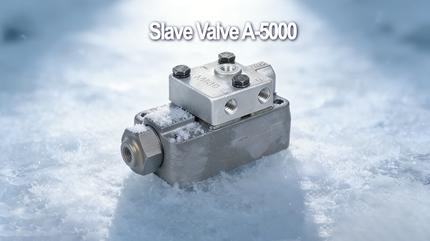
For high-quality aftermarket options, check out our Tritenco valves.
All Tritenco Eaton replacement valves follow OEM standards for casting, honing, reinforcement and sealing. Instead of chasing low prices, Tritenco guarantees OEM‑equivalent performance, preventing leaks, sticking and short service life. Our valves reduce long‑term costs and keep pneumatic systems stable.
Choosing the right valve quality helps keep your transmission running reliably.